


South Australian women experiencing hot flushes and night sweats are invited to take part in a trial investigating whether wearable glucose monitoring technology, combined with personalised diet and lifestyle support, can help reduce the risk of developing type 2 diabetes.
Researchers are seeking healthy menopausal women under the age of 60 who are considered at high risk of type 2 diabetes to participate in the trial. The study will examine whether continuous glucose monitors (CGMs), which track blood glucose levels around the clock, can help women better understand how factors such as food, physical activity and sleep affect their health.
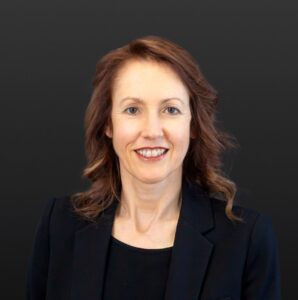
Flinders University researcher Dr Elke Sokoya says menopause is an important life stage for women’s health, but the increased risk of type 2 diabetes often goes unrecognised.
“Many women experience substantial physical changes during and after menopause, yet they may not realise these changes can also affect blood glucose control and future diabetes risk,” says Dr Sokoya from the Flinders Health and Medical Research Institute (FHMRI).
“We want to investigate whether access to real time glucose information, together with practical nutrition and lifestyle guidance, can support women to make informed decisions about their health and wellbeing.”
Participants will receive free access to continuous glucose monitors, guidance from a dietitian, nutrition and lifestyle advice, and information about their health markers throughout the study. They will also receive a $50 gift card to thank them for their time.
Dr Sokoya says the technology has the potential to provide valuable insight into everyday health.
“Continuous glucose monitors allow people to see how their body responds to daily habits and routines,” she says. “We are interested in understanding whether this immediate feedback can help women improve glucose control and take steps that may lower their long term risk of type 2 diabetes.”

Participation involves wearing the monitors, completing daily app entries, attending two visits to SA Pathology for blood testing, and filling out three online questionnaires. Researchers are looking for women living in South Australia who experience hot flushes or night sweats at least once a week and have an unrestricted diet.
 Women interested in participating can learn more here, or contact the research team at cgmstudy@flinders.edu.au. To complete the eligibility survey, scan the QR code.