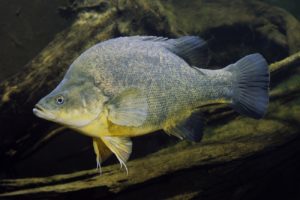
Yellow belly the focus of World Wetlands Day
Flinders’ ecologists have discovered that the DNA of Australia’s wetland fish may hold the ‘golden key’ to saving them from climate change. A team led by Professor […]


Flinders’ ecologists have discovered that the DNA of Australia’s wetland fish may hold the ‘golden key’ to saving them from climate change. A team led by Professor […]
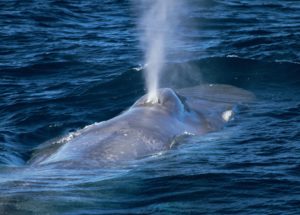
Clues in the DNA of endangered blue whales – the largest living animal – have shown that Australia is home to one population that likely travels […]
Researchers at Flinders have created SWINGER, computer software with an algorithm that uses information from DNA to match-make endangered animals for captive breeding.
A new Flinders University study shows that coastal ocean currents in parts of southern Australia have a major bearing on marine animal movement.
Flinders scientists have uncovered crucial DNA evidence about the number and distribution of populations of the world’s largest animal, the critically endangered Antarctic blue whale.
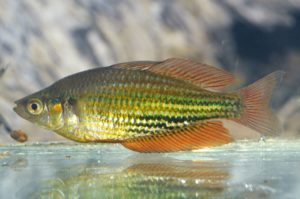
Flinders University scientists have created a model for conservation programs after helping to bring local populations of native pygmy perch back from extinction.
Flinders scientist Professor Luciano Beheregaray is part of an international campaign to reintroduce the mighty giant tortoise to the Galápagos Islands.
New findings by researchers at Flinders have shown the low genetic diversity in a population of the endangered blue whale is due to past natural events rather than recent whaling.
Endangered and iconic sea turtles have a record in their DNA pointing to loss of genetic diversity caused by recent human exploitation.