
How prehistoric jaws shaped evolution
Long before dinosaurs appeared on Earth, fierce predatory fish developed crushing jaws and sharp teeth to survive and diversify in ancient oceans. Flinders University researchers have […]


Long before dinosaurs appeared on Earth, fierce predatory fish developed crushing jaws and sharp teeth to survive and diversify in ancient oceans. Flinders University researchers have […]

Native Australian animals range from high-hopping kangaroos to fast-running emus – but clever little bettongs also have a special ability to find and eat the food […]

An intriguing native Australian rat-kangaroo, thought to be probably extinct, may still be running around in the inhospitable remote Sturt Stony Desert – and Flinders University […]

From sifting through topsoil for native truffles to cracking open hard shells of seeds and nuts to munch on the tasty kernels, Australia bettongs and potoroos […]
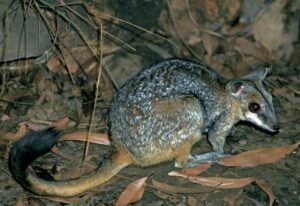
Australian rock-wallabies are ‘little Napoleons’ when it comes to compensating for small size, packing much more punch into their bite than larger relatives. Researchers from Flinders […]

Horses have developed long faces simply ‘because they can,’ a team of evolutionary biologists say. In a major review of how mammalian heads evolve, scientists from […]
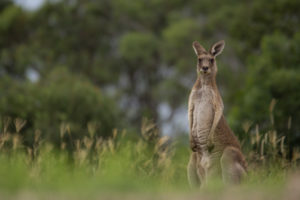
Serving up too much soft food to animals rescued into captivity might reduce their survival chances when released back into the wild. An international team of […]