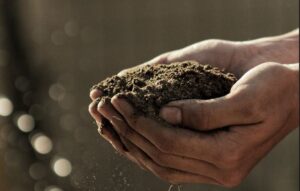
Using microbes to battle pollution
The ability of bacteria to remove pollutants from soil, water, mine waste and other environments could be supercharged by a ‘friendly’ compatible virus, according to a […]


The ability of bacteria to remove pollutants from soil, water, mine waste and other environments could be supercharged by a ‘friendly’ compatible virus, according to a […]

Food waste is a nagging problem that weighs heavily on global food growing, production, distribution and sales industries – but an emerging generation of AI sensors […]

The surge in caravan and camper usage within Australia could place extra pressure on regional wastewater treatment systems because of the chemicals commonly used in caravan […]

New research using an artificial intelligence (AI) system is helping to develop new gallium-based semiconductor materials much faster than traditional methods. The international study, led by […]

Just as swirly, wave-like patterns can appear on computer screen when pixels do not align, new research led by Flinders University is investigating atomic-scale ‘moiré patterns’ […]
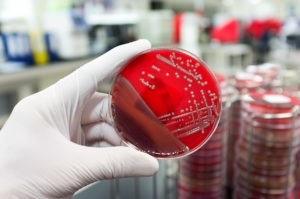
Antimicrobial resistance is becoming a global burden in human health and food production, so affordable new materials are needed to overcome this growing problem. To answer […]

A new Australian study has found that electric vehicles (EVs) equipped with vehicle-to-home (V2H) technology can significantly reduce household electricity costs and lessen the need for […]

Snapper are central to coastal life across southern Australia, supporting fisheries, local businesses, and regional tourism. New Flinders University research has found that although snapper populations […]

The Earth has already exceeded its ability to support the global population sustainably, with new research warning of increasing pressure on food security, climate stability, and […]