
Kidney cells exposed to nanoplastics
As concerns rise about the effects of tiny plastic particles on human health, Flinders University researchers have led new research on whether nanoplastics can accumulate or […]


As concerns rise about the effects of tiny plastic particles on human health, Flinders University researchers have led new research on whether nanoplastics can accumulate or […]
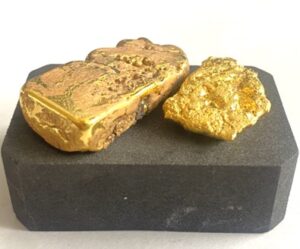
New gold recovery technology developed at Flinders University has received a major boost towards its commercialisation this year, with an Australia’s Economic Accelerator Ignite grant. Collaborating […]

Whales, dolphins and other marine mammals are highly social, but those social ties can also help diseases spread through populations of rare or threatened species. New […]

A single laundry load containing synthetic clothing can release thousands of plastic microfibres from nylon, acrylic and polyester materials. Lab testing of an SA-made washing machine […]

Marine fouling triggers ongoing economic losses for the global shipping industry through detrimental effects on structures and vessels – but tests by Flinders University researchers on […]

Thousands of open cut mines lie abandoned worldwide, while more stringent mine site rehabilitation laws in Australia are paving the way for improved long-term restoration efforts. […]

Flinders University researchers are turning mining waste into a powerful tool for sustainable construction – proving that superior construction materials can be developed from unlikely sources. […]

From agriculture and urban land clearance to loss of habitat and feral animal predation, native wild animals and their food sources face a rising tide of […]

Plastic pollution is a global crisis that no one country can solve alone – with microplastics found in soils, rivers, the air and even organs throughout […]