
Safety signs help Little Penguin colony
The fragile colony of Little Penguins on Granite Island will be safer thanks to new signage that better informs the public how to prevent the colony […]


The fragile colony of Little Penguins on Granite Island will be safer thanks to new signage that better informs the public how to prevent the colony […]
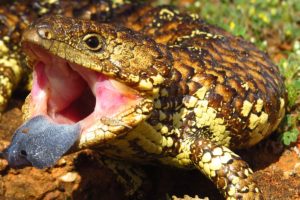
Research led by Flinders University for the past 35 years is building a picture of how sleepy lizard behaviour determines their health and survival. Conservation of […]
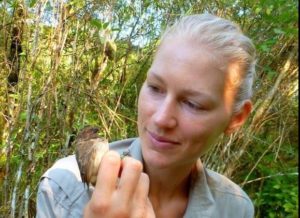
Galápagos Islands finches that helped Charles Darwin develop his theory of natural selection are showing clear signs of further evolutionary development. The latest study by researchers […]
Animal behaviour, water resources and Indigenous archaeology are just some of the fields of research at Flinders to receive support from the 2015 Vice-Chancellor’s Early Career Researcher Awards.
Flinders University is preparing for the arrival of two captive bred Little Penguins, which will move into the University’s state-of-the-art Biology Discovery Centre today (February 14).
The first flocks of birds to move into Flinders University’s state-of-the-art Biology Discovery Centre are thriving in their new surrounds.
The web-making strategies of spiders, the sexual proclivities of squid, the effects of human tourism on bottle-nosed dolphins and the fight-back by the iconic Darwin’s finch against a voracious parasite are among the phenomena that will be described at a national conference on animal behaviour Flinders University from April 11 to 13.