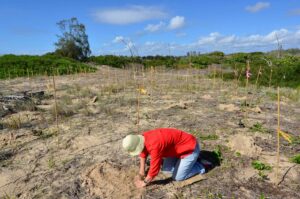
Microbe recovery vital for healthy soil
Up to 75% of the world’s soils are degraded, threatening food production, biodiversity, climate regulation and human health and wellbeing. Flinders University soil ecology and restoration […]


Up to 75% of the world’s soils are degraded, threatening food production, biodiversity, climate regulation and human health and wellbeing. Flinders University soil ecology and restoration […]

Australia’s ports are the cornerstone of the nation’s supply chains, but their growing exposure to cyber-attacks could cause severe disruptions to operations and shortages of essential […]

Rainwater tanks are a popular way for Australians to save water, but new research has found they can also harbour potentially harmful bacteria and metals that […]
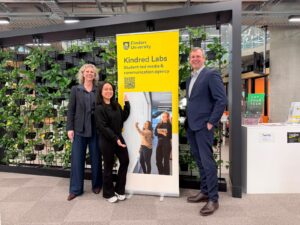
An innovative learning program at Flinders University is enabling international students to develop industry experience by putting their digital communication skills into practice. Kindred Labs, a […]

Long before dinosaurs appeared on Earth, fierce predatory fish developed crushing jaws and sharp teeth to survive and diversify in ancient oceans. Flinders University researchers have […]

Where and when water is available places a pivotal control on environments – with ancient sediments and fossils explaining how rainfall has changed through time, although […]
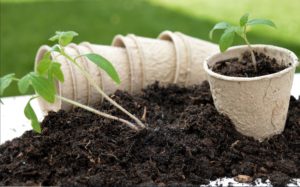
In today’s urbanised and highly engineered world, good mental health and wellbeing are in big demand. With an aim to promote better crops and health from […]
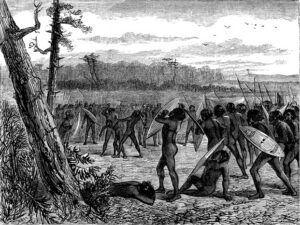
Australia had a much larger Indigenous population before the arrival of Europeans than previously thought, according to new research. The research also demonstrates much larger population […]

In a major step towards building the highly skilled workforce needed to support Australia’s future AUKUS nuclear-powered submarine program, Flinders University is offering new postgraduate courses […]